AnimeOnsen: Asian animation beyond Japan, from Korea, China and Hong Kong, Southeast Asia, South Asia, Iran, Turkey and the Arab world, 1936 to 2026, and where to watch it
165 animated films: Chinese classics such as The Monkey King and Three Monks, Korean robot heroes and Pororo, Old Master Q and McDull from Hong Kong, Upin & Ipin and Didi & Friends from Malaysia, Persian, Turkish and Arab animation and new features from across Asia. Search a title and press Watch now.
All titles
See all



Korea
See all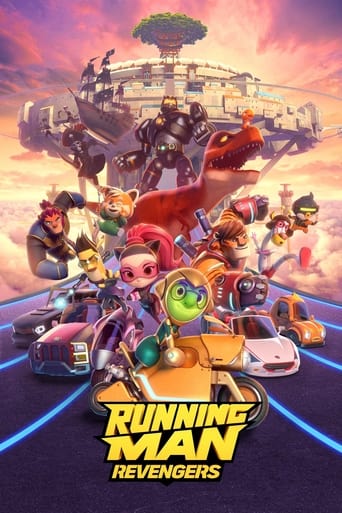


China and Hong Kong
See allSoutheast Asia
See all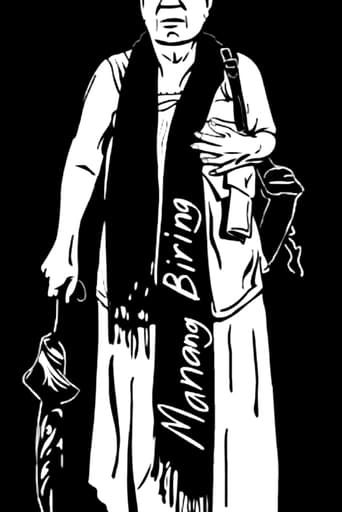

West and South Asia
See all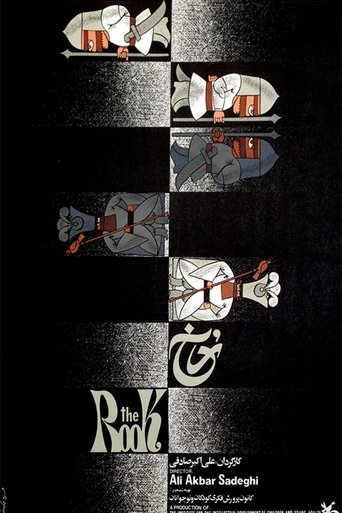

Guides
- How to watch with AnimeOnsenFrom the poster grid to the official service.
- Korean animationRobot heroes, Pororo and new features.
- China and Hong KongShanghai classics and Hong Kong comics.
- Southeast AsiaThailand, Vietnam, Indonesia, Malaysia and the Philippines.
- West and South AsiaIran, Turkey, the Arab world, Israel, Pakistan and India.
- Languages and dubsOriginal voices, dubs and subtitles.
- Favourite charactersPororo, Old Master Q, Upin & Ipin and friends.
- The official AnimeOnsen siteHow to recognise the real address.
- Is AnimeOnsen working?A quick check and easy fixes.
- Where AnimeOnsen films streamThe official services behind Watch now.
- Apps and devicesPhones, tablets, computers and televisions.
- Free Asian animationLegal ways to watch at zero cost.
- Watching safelyA short checklist.
- Finding a filmSearch tips.
- My ListBuilding your own programme.
AnimeOnsen: Asian animation beyond Japan, from the Shanghai classics and Korea's robot heroes to Old Master Q, Upin & Ipin, Persian fables and the new features of Southeast Asia and the Arab world
When people think of Asian animation, they usually think of Japan. But Japan is only one part of a much larger story. Shanghai's animators were making ink-wash films and lavish fairy tales in the fifties and sixties. Korea built a busy industry around giant robots and, later, around some of the most popular preschool characters on the planet. Hong Kong turned its best-loved comic strips into films, Malaysia created cartoon twins who are household names across Southeast Asia, and the studios of Tehran, Cairo, Istanbul, Jakarta and Manila have their own proud traditions. AnimeOnsen is a guide to that wider world: a hand-picked catalogue of animation from Asia beyond Japan, from 1936 to 2026, with a page for each film and a Watch now button that leads to the official services that carry it.
Here you will find 165 films. There are 54 from Korea, from the Robot Taekwon V films of the seventies and the first Korean animated feature, The Story of Hong Gil-dong, to Pororo, Tayo, Pinkfong and the new feature Princess Aya. There are 30 from China and Hong Kong, including the Shanghai classics The Monkey King: Uproar in Heaven, Nezha Conquers the Dragon King, Three Monks and The Nine-Colored Deer, the ink-wash films Where is Mama and Feeling from Mountain and Water, and the Hong Kong comic heroes Old Master Q and McDull. There are 33 from Southeast Asia, including Upin & Ipin, Didi & Friends and new features from Indonesia and Vietnam, and 48 from South and West Asia, including Persian classics from Kanoon, Egypt's first animated film, Turkish favourites such as King Shakir and new films from Pakistan, Israel and the Gulf.
Every film has its own page with the story, the year, the running time and the studio. A Watch now button opens the film on JustWatch for the country you choose, where the subscription, rental, purchase and free services that carry it are listed side by side. Many studios also share classic shorts and trailers on their own official channels.
This page is the long guide to the catalogue. It explains how the site is arranged, travels region by region through the films and their studios, follows the favourite characters and the great legends, and suggests programmes for an evening at home. Read it from top to bottom, or jump to the region that interests you.
Why look beyond Japan
The animation of Asia beyond Japan is one of the great undiscovered treasures of world cinema. Some of it is famous at home and almost unknown abroad; some of it is celebrated by animation historians but hard to find. The Shanghai Animation Film Studio, for example, produced films of extraordinary beauty in the sixties and seventies, using techniques drawn from Chinese painting, paper-cutting and shadow puppetry, and its Monkey King film is often ranked among the finest animated features ever made. Iran's Kanoon institute gave artists the freedom to create films inspired by Persian miniatures and poetry, and Korea's robot films of the seventies thrilled a generation of children.
Today, the region's studios are busier than ever. Korean and Chinese preschool characters are watched by children worldwide, Malaysian studios fill cinemas across Southeast Asia, and new features from Indonesia, Vietnam, the Philippines, Turkey and the Gulf appear every year. AnimeOnsen gathers a selection of this work in one place, so that you can travel across the continent from your sofa.
How AnimeOnsen looks
AnimeOnsen takes its look from the archived pages of animeonsen.xyz, an anime streaming site with a strikingly minimal, monochrome design. The palette skips bright accent colours entirely: everything is built from shades of charcoal and grey, so that the posters and stills provide all the colour. The header is a charcoal band with a blocky wordmark centred at the top and, beneath it, a row of equal grey tabs that light up softly when you point at them or when you are on that page. A search field sits in the corner.
The home page opens with a spotlight, as on the original site: a still from a featured film, softly blurred, lies under a diagonal gradient from black to transparent, with a large bold title, a few lines of story and a wide grey Watch now button with a play symbol. Small dots beneath lead to five more featured films. Below the spotlight, a short introduction sits above uppercase grey headings, each centred over a grid of tall posters. The posters show only the artwork, just as on the original; when you point at one, it darkens and the title, year and running time appear in the middle.
The type is Roboto in thin, regular and bold weights, as on the original site. A charcoal footer carries the main links as soft round buttons. On a phone, the tabs fold into a menu button, the spotlight stacks neatly and the posters sit two to a row.
Using the site
There are four easy ways to find a film. The first is the search field in the header: type an English title or part of one, such as Monkey King, Pororo or Upin, and the results appear as you type. The second is the tabs beneath the wordmark, which open the four regional collections. The third is the poster grids on the home page, from All titles to each region. The fourth is the Browse page, which lists every film from A to Z.
Each film page shows the poster, the year, the running time, the studio and a summary of the story. The Watch now button sits beside a country menu, so you can see the services that carry the film where you live. An Add to My List button saves the film to a personal list that stays in your browser and opens from the My List tab.
The collections
The catalogue is organised into fifteen collections. Four are regional: Korea; China and Hong Kong; Southeast Asia, covering Thailand, Vietnam, Indonesia, Malaysia and the Philippines; and West and South Asia, covering India, Pakistan, Iran, Turkey, the Arab world, Israel and Mongolia. Five follow themes: Favourite characters, Robots and space, Legends and folk tales, Short films and Feature films. Four collections follow time, from the classic era of 1936 to 1989 to the 2020s, and Top rated holds the films viewers rate most highly.
China and Hong Kong
Chinese animation began in Shanghai in the twenties with the Wan brothers, four brothers, two of them twins, who made China's first animated films. In 1957 the Shanghai Animation Film Studio was founded, and over the next three decades it produced an astonishing body of work, inspired by the arts of China: ink painting, paper-cutting, shadow puppetry, Peking opera and the murals of the Dunhuang caves.
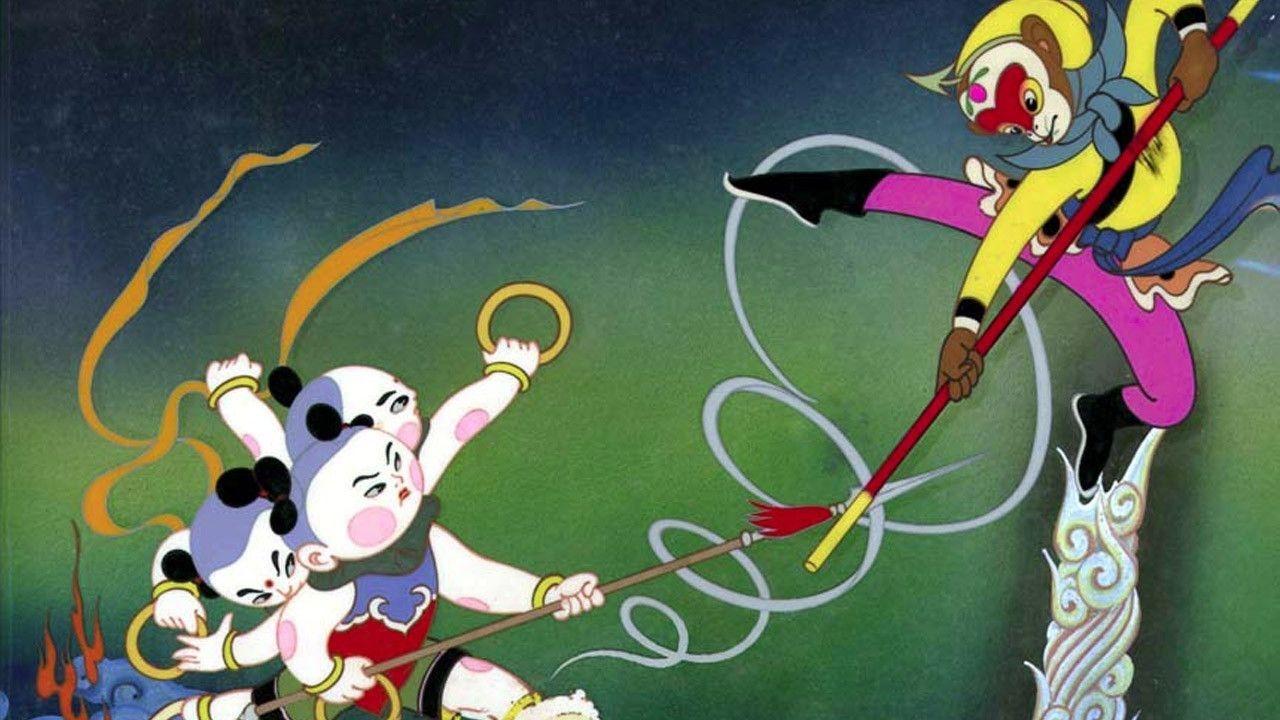
The crown jewel of the studio is The Monkey King: Uproar in Heaven, directed by Wan Laiming and released in two parts in the early sixties. It tells the opening chapters of Journey to the West, in which the irrepressible Monkey King Sun Wukong claims a magical staff from the Dragon King of the East Sea and turns the Jade Emperor's heavenly court upside down. With its bold colours, Peking opera movement and percussion, it is one of the most admired animated features ever made. Nezha Conquers the Dragon King, from 1979, tells the legend of the boy hero Nezha, born from a lotus, who stands up to the tyrannical Dragon King of the East Sea.
The studio's ink-wash films are unique in world animation. Where is Mama, from 1961, was the first animated film made in the style of Chinese ink painting, following a group of tadpoles searching for their mother, with designs based on the paintings of Qi Baishi. Feeling from Mountain and Water, from 1988, directed by Te Wei, is a quiet, beautiful film about an old scholar and a young girl who learns the guqin from him, painted in flowing ink among misty mountains.
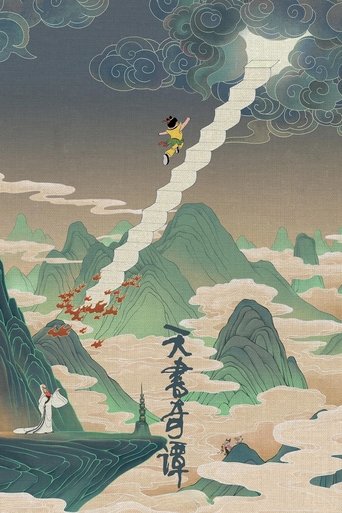
Three Monks, from 1981, is a wordless comedy built on the proverb that one monk carries two buckets of water, two monks share one bucket and three monks go thirsty, until a fire teaches them to cooperate. The Nine-Colored Deer, from 1981, draws on the murals of the Dunhuang caves to tell the story of a magical deer who rescues a drowning man and is betrayed by him. Secrets of the Heavenly Book, from 1983, follows a heavenly guardian who reveals a book of magic to the human world.
Hong Kong animation has a personality of its own, full of local humour and comic-strip charm. Old Master Q, the bald, bumbling hero created by the cartoonist Alfonso Wong in 1962, is one of the best-loved comic characters in the Chinese-speaking world, and the catalogue holds four of his films: Old Master Q, from 1981, his first animated feature, with a cameo by Bruce Lee; Old Master Q: Water Margin, which sends him back to the days of the classic novel; Shan T Old Master Q, in which he meets an extraterrestrial at a theme park; and Master Q: Incredible Pet Detective, in which he opens a detective agency for lost pets. Old Master Q and Little Ocean Tiger continues the adventures in 2011.
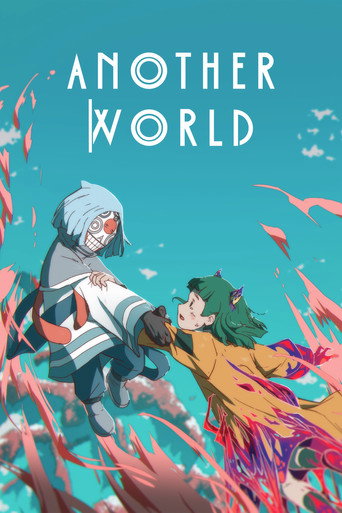
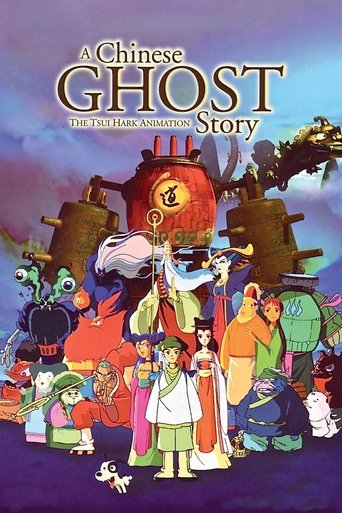
McDull, the slow-witted, good-hearted piglet created by Alice Mak and Brian Tse, is Hong Kong's other great cartoon star, and McDull, Kung Fu Kindergarten sends him to learn kung fu. A Chinese Ghost Story: The Tsui Hark Animation, produced by the great Hong Kong director, turns his famous ghost romance into a fast, funny animated adventure, and Another World, from 2025, follows a soul keeper who befriends a young girl in the world beyond. The Hong Kong shorts Monsoon Blue, Wind Goes On, Tear Tear Fruit and Father Figure are tender, personal films from a new generation of animators.
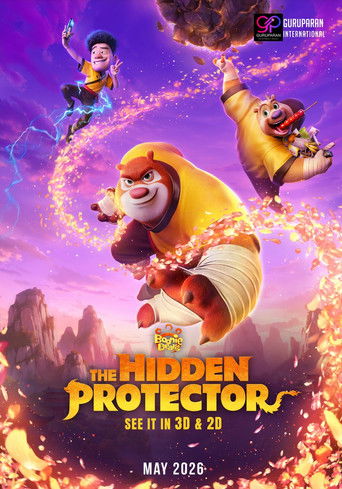
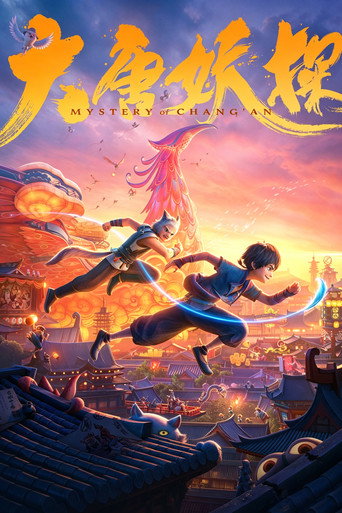
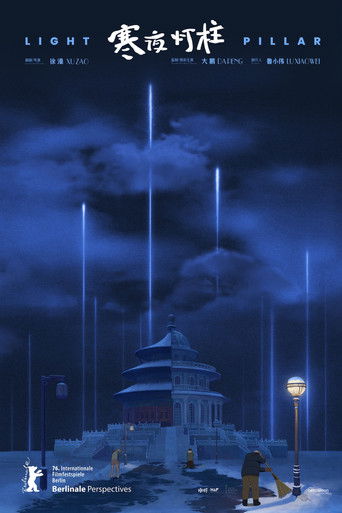
Modern mainland China has a booming animation industry. Boonie Bears: The Hidden Protector continues the adventures of the bear brothers Briar and Bramble, I Am T-Rex follows a young dinosaur training to reclaim his valley, and Agent Backkom: Kings Bear and Backkom Bear 3: Mars Mission follow a hapless secret-agent bear. Happy Heroes 3 reunites a team of superheroes, Pigsy gives the famous pig of Journey to the West a science-fiction makeover, and Demon Agent sets a comic mystery in a mechanical city of Chang'an where humans and demons live side by side. Light Pillar follows a lonely janitor and a former cat actor in a bankrupt film studio of the future, and the shorts The Remedy, Nowhere Man and Genshin Impact: Star Odyssey complete the shelf.
Korea
Korean animation has a long and colourful history. The Story of Hong Gil-dong, from 1967, was the first Korean animated feature, telling the legend of a nobleman's illegitimate son who becomes a Robin Hood figure fighting injustice. The same year brought Korean Alphabet, a short teaching Hangul with animation and music, and Golden Iron Man, from 1968, is an early space fantasy in which a boy and a bear sail a crescent moon to a castle of rabbits.
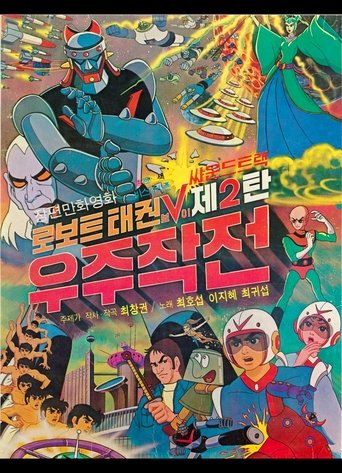
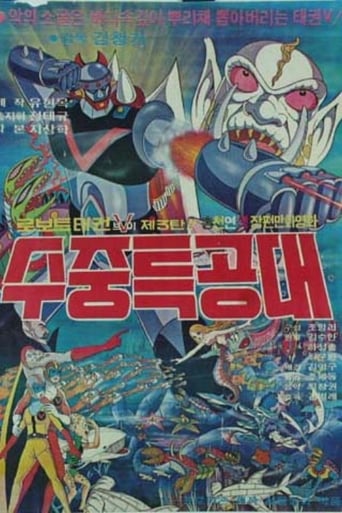
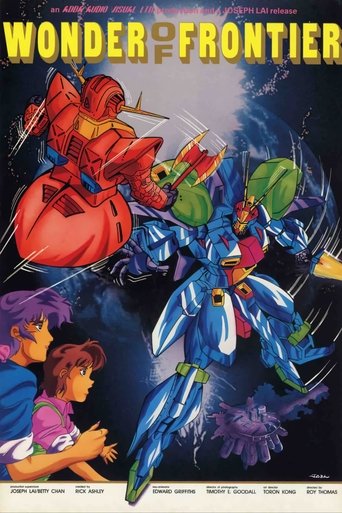
In 1976 Kim Cheong-gi's Robot Taekwon V became a sensation, a giant robot piloted by a taekwondo champion, and the catalogue holds four of its sequels: Robot Taekwon V 2: Space Operation, Robot Taekwon V 3: Underwater Commandos, Taekwon V VS Gold Wing and Robot Taekwon V 84. The robot boom of the seventies and eighties also produced Galactic Wonder Princess, Wonder Of Frontier, Iron Man Trio, Space Gundam V, Ddoli and Zeta Gundam and Hwarang-V Trio, colourful adventures that delighted Korean children in their day. Dokgo Tak - Throw to the Sun (Golden Arm) follows a gifted young baseball pitcher, 30000 Leagues in Search of Mother follows a boy searching for his mother overseas, and David & Goliath and The King retell biblical stories.
Since the 2000s, Korea has become a world leader in animation for young children. Pororo the little penguin, created by Iconix and Ocon, is so popular in Korea that children call him the President Pororo, and the catalogue holds Pororo: Popstar Adventure, Pororo and Friends: Virus Busters and Porong Porong Rescue Mission: Pororo's 10th Anniversary Special. The Tayo Movie: Mission Ace follows Tayo the little bus and his friends, Pinkfong Sing-Along Movie 2: Wonderstar Concert brings the creators of the famous Baby Shark song to the cinema, and Hello Carbot the Movie: Save the Moon sends the transforming car robots to rescue a rabbit village on the moon. Curucuru and Friends: The Secrets of the Rainbow Tree, T-pang Rescue, Secret Jouju Magic Harmony, Super White Bear: Spy Adventures, Spookiz: The Movie and Running Man: Revengers, based on the famous television game show, complete a cheerful shelf.
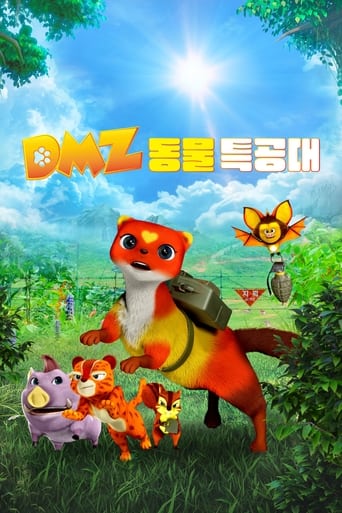
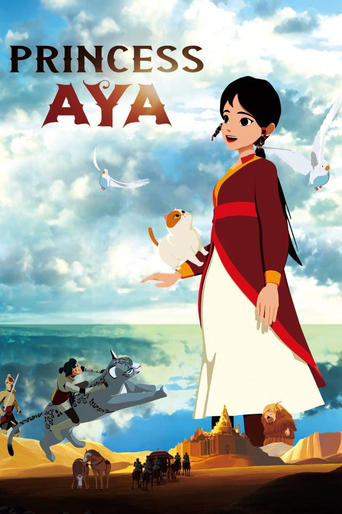
Korean feature animation for older audiences has grown in ambition. Princess Aya follows a princess cursed to turn into wild animals in a lush musical fantasy, DMZ Animal Rangers imagines the animals of the demilitarised zone worried that peace will destroy their paradise, and Astro Gardener follows a teenage girl afraid of the dark after losing her father. Kai follows a brother and sister in the snowy grasslands of Central Asia, Run Hany Bad Girl revives a classic sports comic, Stress Zero is a monster comedy about a man who loses his job to a giant monster attack, and Black Rubber Shoes The Movie: My Happy Home brings back a nostalgic comic about two siblings. Songs of Love from Hawaii tells the story of Hawaii's first Korean immigrants, and My Dearest Fu Bao follows the famous giant panda born in Korea.
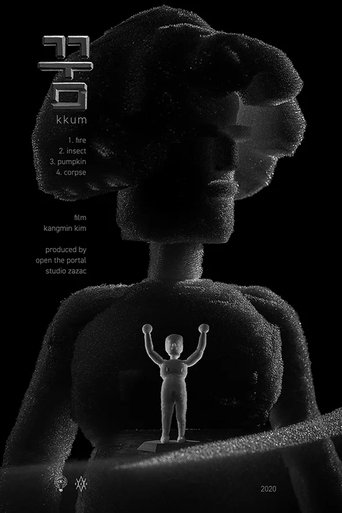
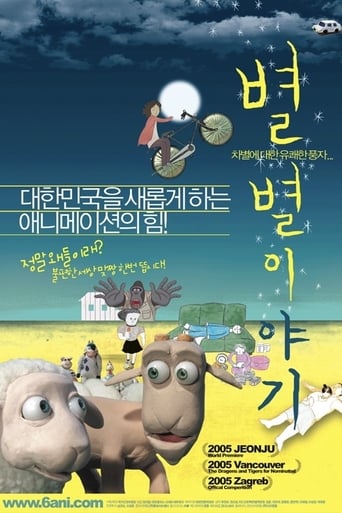
Korean short films are often small festival treasures. Dust Kid, by Jung Yumi, is a gentle pencil-drawn film about a woman who finds a tiny dust creature while cleaning her room and has been shown at festivals around the world. KKUM tells of a mother whose dreams foretell every important moment in her child's life, Battery Mommy imagines a nursery toy who works through a winter nap time, Planet Spoilia follows two wanderers searching for answers across the universe, and If You Were Me: Anima Vision gathers six shorts about discrimination and difference. Love Games, HALFway, The Shaman Sorceress, The Square, Love Is Protein, Life Is Cool, My Ghost Girlfriend and The Sound of Your Heart Special 1 show the range of Korean animation for grown-ups, from comedy to folk opera.
Southeast Asia
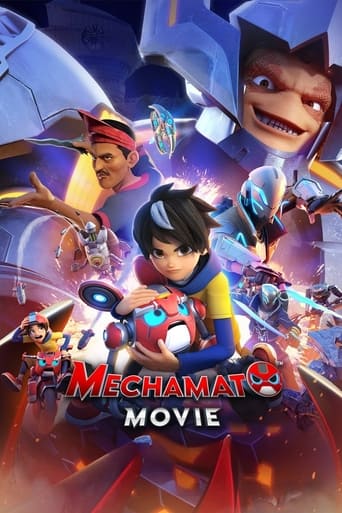
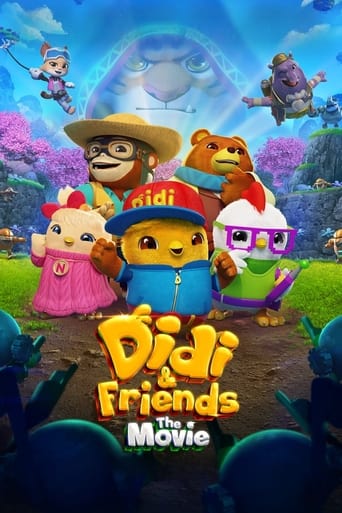
Southeast Asia has some of the fastest-growing animation industries in the world. Malaysia leads the way. Upin & Ipin: Jeng Jeng Jeng! stars the famous twin boys created by Les' Copaque Production, whose television series has been a favourite across Malaysia, Indonesia and beyond since 2007; in the film, an orphan girl who can talk to her favourite cartoon characters finds herself in trouble. Didi & Friends The Movie follows a cheerful chick and his friends on a musical adventure, and Konsert Hora Horey Wayang Didi & Friends puts them on stage. Mechamato Movie, from the creators of BoBoiBoy, follows a boy and the powerful robot he outsmarts.
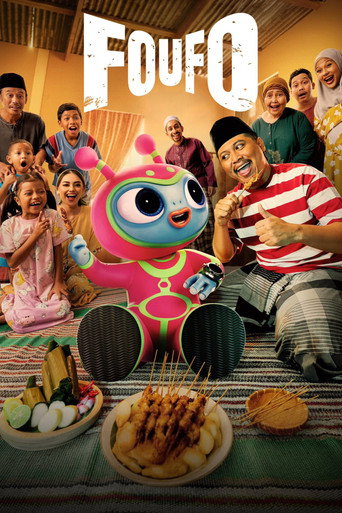
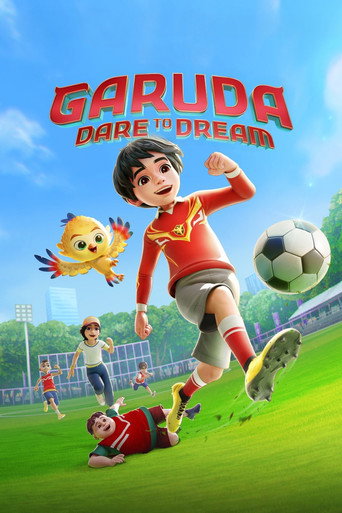
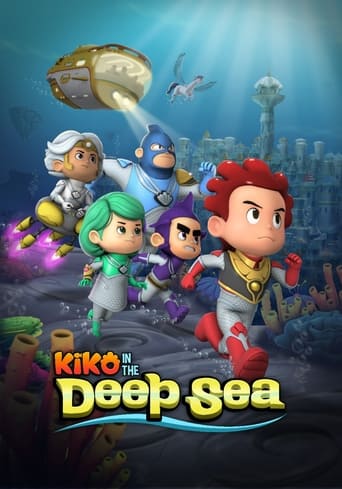
Indonesia's animators are full of energy. Kiko In The Deep Sea follows five friends helping a princess find five lost pearls, Knight Kris follows a boy who pulls a magical kris dagger from a stone in an ancient temple, and Titus: Mystery of the Enygma follows a mouse detective in search of a clean-energy device. Garuda: Dare to Dream follows a boy with asthma who dreams of playing for Indonesia's national football team, Nyla follows a weaver girl from the island of Sumba with the same dream, and Foufo brings small aliens to the island of Madura. Moerija retells the legend of a giantess who sleeps as a mountain, and Djakarta-00 imagines the past and future of Jakarta.
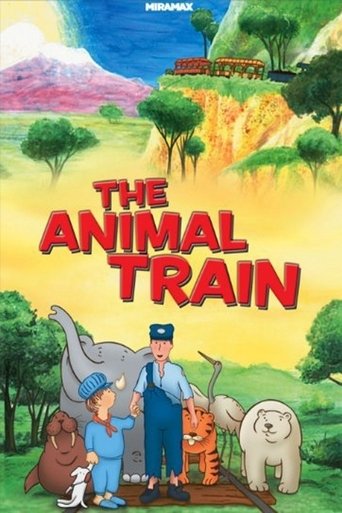
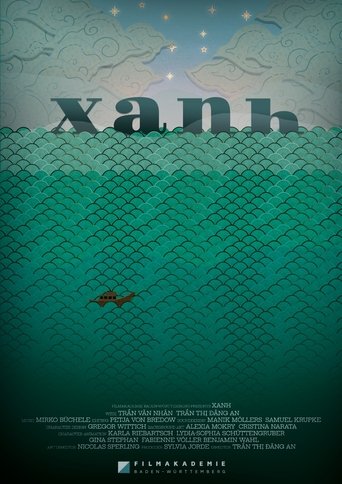
From Vietnam come The Cricket and The Muddy Adventure, inspired by Tô Hoài's classic children's novel Diary of a Cricket, which sends Cricket and his friends through modern Hanoi; Gà Con Không Nhận Mẹ, a sweet 1990 short about a chick who mistakes a balloon for its mother; Chiếc Đồng Hồ Hoa, in which a little bee learns the value of being on time; and Xanh, a moving short about a father's memories of life among the boat people. Thailand adds The New Adventures of Hanuman, a 1960 film about the monkey god of the Ramakien, The Animal Train, about a boy who boards a dream train with his toy dog, and the superhero comedy Samyan-Man.
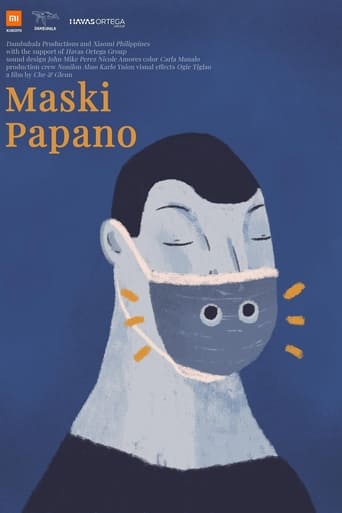
The Philippines has a lively scene of student and independent animators. Tella follows a lost girl who helps a fallen star return to the sky, Santelmo follows a boy who believes in the legend of the fire spirit while his family fights to keep their land, and Manang Biring, from 2015, follows a feisty old lady who receives a letter from her estranged daughter. Maski Papano follows a discarded face mask that comes to life, bycatch sends a fisherman and his son across the ocean of 2051, a short about a champion swimmer facing online criticism of her dark skin finds her courage, and Saan Aabot ang 50 Pesos Mo?, Hi, I'm Allen!, It's All In Your Head, My Mamily, Little One, Child of Manila and Si Gloria at si Juan complete the Filipino shelf.
Iran
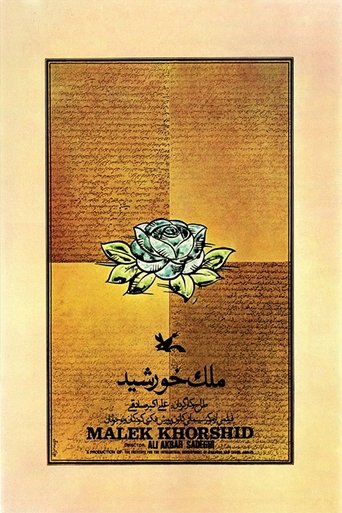
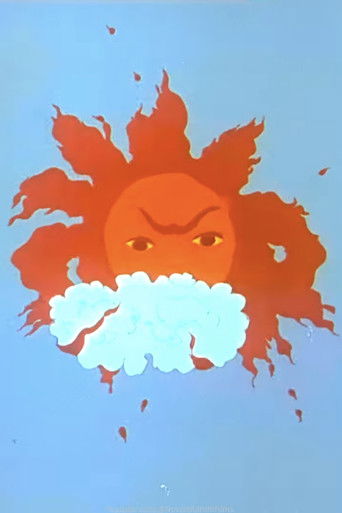
Iranian animation grew up at the Institute for the Intellectual Development of Children and Young Adults, known as Kanoon, founded in Tehran in 1965. Kanoon gave artists the freedom to make films inspired by Persian painting, poetry and folklore, and its films won prizes at festivals around the world. Ali Akbar Sadeghi was one of its stars. His The Rook, from 1974, sets a chess game among the colourful knights and kings of Persian miniature painting, and The Sun King, from 1975, is a magical film inspired by a tenth-century Persian epic, painted in the rich colours of the old manuscripts.
The Iranian shelf also holds Life, from 1965, in which a plant struggles to survive and thrive; The Jewel Mountain, from 1996, about a poor boy taken to a mountain of precious stones; and Shangoul & Mangoul, from 2000, the Persian folk tale of a wolf who tricks his way into the home of three little goats. Bahador, from 2001, follows a brave mouse who stands up to a cruel king, Sun of Egypt retells the story of Joseph, and the newer shorts The Fourth Wall, Lima and A Tale For Mohsen show a fresh generation of Iranian animators.
Turkey, the Arab world and Israel
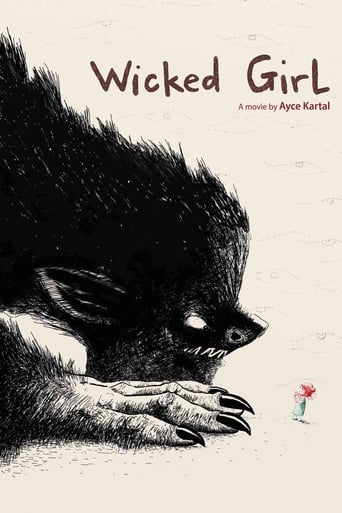
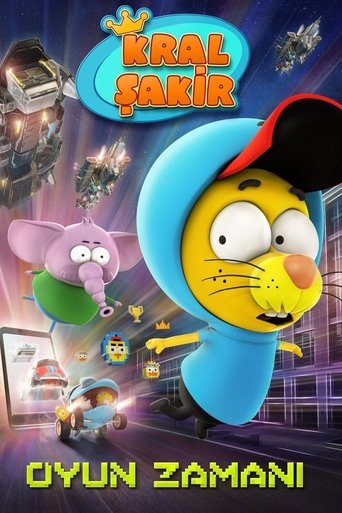
Turkish animation has grown quickly in recent years, led by characters who are beloved by Turkish children. King Shakir, the lion hero of a hugely popular Turkish cartoon series, stars in King Shakir: Virus Hunters, King Shakir: Rise of the Giants and Kral Şakir: Oyun Zamanı, three comedies full of family chaos and adventure. Niloya Bölüm 1 follows a little girl in a riverside village who loves playing with the animals, and Doru: Macera Ormanı follows a brave foal who sets out to rescue a friend from a circus. The Turkish shorts include The Garden, about a girl who leaves the nature of her childhood for a big city, Playing House, Dry Nightmare, about a boy searching for the last water of the world, Wicked Girl, Wolf's Box, A Cup of Turkish Coffee, Game, Blue Tomorrow, The Crowd and Memories Hidden in Pixels.
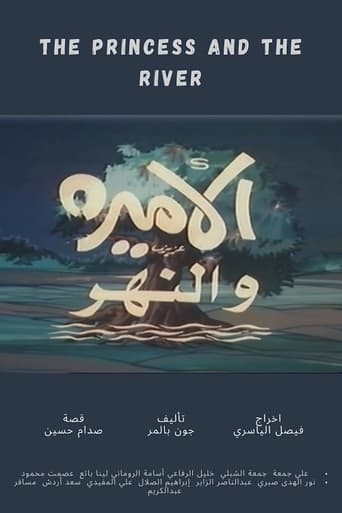
Arab animation has a history that goes back almost a century. Meshmesh Effendi (1936) is the first animated film made in Egypt, created by the Frenkel brothers, three brothers who settled in Cairo, and starring a cheerful, music-loving character who became a local favourite. Enjoy Your Food, from 1946, is the last of his films, mixing live action and animation as Meshmesh Effendi and a friend stuff themselves in a restaurant. The Princess and the River, from 1982, is an early Arab animated feature, a fairy tale in which a dying king tells his three daughters that one of them must rule.
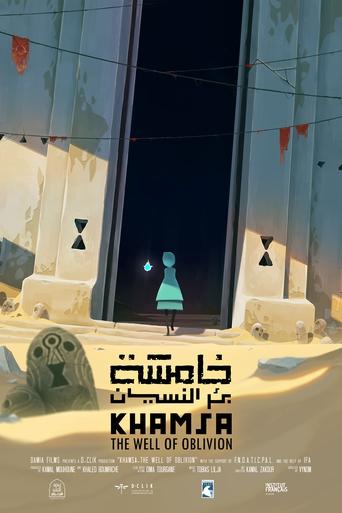
The newer Arab films are wonderfully varied. Khamsa - The Well of Oblivion follows a little boy who wakes in a dark well, unable to remember his past, with two strange creatures beside him, Saleem follows a young boy who sets out on a treasure hunt after leaving everything behind, and Butterfly Effect: Azzam sends a screen-obsessed boy through a gateway of light into the world of butterflies. Yarub gathers eleven short episodes inspired by Arab myths and legends, The Jar: A Tale From the East retells a story narrated fourteen centuries ago about good and evil, and How My Grandmother Became a Chair is a tender Lebanese short about a grandmother who slowly turns into a piece of furniture. The Red Fish, Utopian and Al Amal: A Journey of Hope complete the shelf.
From Israel come The Amlash Enchanted Forest, a 1972 musical satire built from eighty ancient Amlash sculptures, Orange Story, about a heartbroken astronaut rescued by a kind dog on an alien planet, and the experimental shorts Under the Small Sun, Recollection and Magritte's Train, a one-minute tribute to the surrealist painter René Magritte. Purple Bells is an animated family documentary about emigration.
Pakistan, India and Mongolia
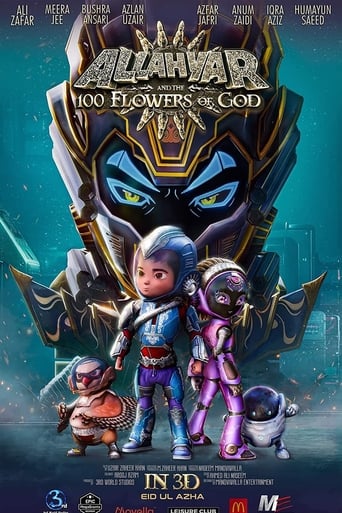
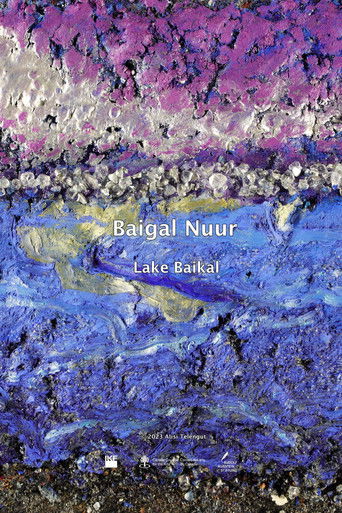
Pakistan's animation industry has blossomed in the last decade. Allahyar and the 100 Flowers of God, from 2023, follows the young protector Allahyar as he investigates rumours of iron ghosts destroying the forests of his homeland, in a colourful adventure that continues the first Allahyar film. Tick Tock sends its young heroes to meet great figures from Pakistani history. From India comes Mahaprabhu Jagannath, a devotional family fantasy about the lord of Puri, and Watchmaker At Time's End, a short science-fiction tale set in a Kerala town where time behaves strangely. From Mongolia comes Lake Baikal, Alisi Telengut's tactile animation about the legendary formation of the sacred lake.
Favourite characters
Every country has its favourite cartoon characters, and the Favourite characters collection gathers 39 films with some of Asia's best loved. From Korea come Pororo, Tayo, Pinkfong, the Carbots, Curucuru, the Spookiz and Robot Taekwon V. From China and Hong Kong come the Boonie Bears, Backkom, the Happy Heroes, Old Master Q and McDull. From Malaysia come Upin & Ipin, Didi & Friends and Mechamato, and from Turkey come King Shakir, Niloya and Doru.
These characters are perfect for young children, and most of them star in long-running television series in their home countries. Their films are bright, cheerful and full of songs, and many have been dubbed into several languages, so they travel easily across borders.
Robots and space
Asian animators have always loved robots and space adventures, and the Robots and space collection gathers 21 films. The Korean robot films of the seventies and eighties lead the way, from Robot Taekwon V 2: Space Operation to Space Gundam V and Hwarang-V Trio. Golden Iron Man sails a crescent moon through the stars, Galactic Wonder Princess teams an alien princess with a handsome astronaut, and Wonder Of Frontier searches for a missing inventor on a distant planet. The modern films include Hello Carbot the Movie: Save the Moon, Backkom Bear 3: Mars Mission, Planet Spoilia, Foufo and Orange Story.
Legends and folk tales
The Legends and folk tales collection gathers 43 films built on the great stories of Asia. China gives the Monkey King, Nezha and the Nine-Colored Deer, Korea gives the legend of Hong Gil-dong, and Thailand gives Hanuman, the monkey god of the Ramakien. Iran gives the folk tale of Shangoul and Mangoul and the poetic world of The Sun King, the Arab world gives the myths of Yarub and the fairy tale of The Princess and the River, and Indonesia gives the legend of the giantess Moerija. Many of these stories are shared across the region: the clever monkey, the magical deer and the brave little hero appear in many forms, and watching them side by side is a wonderful way to see how Asian cultures have shaped one another.
Short films
The Short films collection gathers 70 films of under thirty minutes, and it is one of the best ways to discover the variety of Asian animation. Here are the Shanghai classics Where is Mama, Three Monks and The Nine-Colored Deer, the Persian miniatures of The Rook and The Sun King, and Egypt's pioneering Meshmesh Effendi (1936). Here too are festival favourites such as Korea's Dust Kid, Lebanon's How My Grandmother Became a Chair, Vietnam's Xanh and Mongolia's Lake Baikal, and a lively crop of student films from Manila, Istanbul, Hong Kong and Seoul.
Shorts are perfect for a quick watch or for building a programme that travels across the continent in an hour. Many tell their stories through pictures and music alone, so you can enjoy them whatever language you speak.
Ninety years of animation
The decade collections trace the growth of animation across Asia. The 34 films from 1936 to 1989 include the Egyptian Meshmesh Effendi films, the Shanghai classics, the first Korean feature and the Korean robot boom, the early Kanoon films from Iran and the Hong Kong Old Master Q films. These films were made in very different circumstances, from small private studios to great state studios, but they share a love of local stories and a delight in movement and colour.
The 18 films from 1990 to 2009 show the region in transition, with Hong Kong's McDull and Master Q, Iran's Bahador and The Jewel Mountain, the feature The Jar and the Korean shorts of the new century. The 34 films of the 2010s and the 79 films of the 2020s show how busy the region has become, with preschool characters, big family features and a flood of new festival shorts from countries that had small animation industries only a generation ago.
Techniques and styles
The films in the catalogue use a remarkable range of techniques. The Shanghai studio developed ink-wash animation, which recreates the soft washes of Chinese ink painting on screen, as in Where is Mama and Feeling from Mountain and Water, and paper-cut animation inspired by folk art. The Iranian Kanoon films drew on the flat perspectives and jewel-like colours of Persian miniatures, as in The Rook. The Korean robot films used the bold cel animation of their era, and the newest features from Korea, China, Malaysia and Indonesia use polished computer animation. Many of the festival shorts use hand-drawn pencil, watercolour, sand or stop-motion, and Lake Baikal has a remarkably tactile, hand-made texture.
The studios
Behind these films stand some remarkable studios. The Shanghai Animation Film Studio, founded in 1957, was for decades the home of Chinese animation, and its artists, including Wan Laiming, Te Wei and A Da, created films admired around the world. In Iran, Kanoon, founded in 1965, gave Persian animators a home and sent their films to festivals everywhere. In Korea, the robot films of the seventies were followed by a large industry that also produced animation for American and European series, before Korean studios created their own global hits such as Pororo and Pinkfong.
In Southeast Asia, Malaysia's Les' Copaque Production and Animonsta Studios built characters that are loved across the region, and Indonesia's studios have produced a wave of new features. In Hong Kong, the comics of Alfonso Wong and of Alice Mak and Brian Tse became films that are part of the city's identity. In Turkey, studios have built a lively industry around characters such as King Shakir and Niloya, and in the Gulf, new studios are producing family features with Arab stories and settings. Part of the joy of exploring the catalogue is getting to know these studios and their styles.
Many of these studios began small. Some were founded by a handful of artists in a single room; others started as departments of state film studios or television broadcasters. Their growth over the decades mirrors the growth of the countries themselves, and the newest generation of animators, trained at art schools in Seoul, Beijing, Kuala Lumpur, Jakarta, Manila, Istanbul and Tehran, is now sending films to festivals around the world. Many of the shorts on AnimeOnsen are the first films of directors whose names will be well known in a few years.
Music and voices
Music plays a central role in many of these films. The Monkey King: Uproar in Heaven uses the drums, gongs and cymbals of Peking opera to give its battles their rhythm, and Feeling from Mountain and Water is built around the gentle sound of the guqin. Pinkfong Sing-Along Movie 2: Wonderstar Concert and the Didi & Friends films are full of songs for young children, Princess Aya is a musical fantasy, and Meshmesh Effendi (1936) celebrates a character who loves music above all. The voices of the modern features are often provided by popular actors and singers in each country, and many family films have dubbed versions in several languages.
Building a programme
With so many countries to explore, the best way to begin is to build a small programme of your own with My List. Here are a few ideas to start with.
A journey across Asia in shorts: Where is Mama from Shanghai, The Rook from Tehran, Dust Kid from Seoul, Gà Con Không Nhận Mẹ from Hanoi, Tella from Manila, How My Grandmother Became a Chair from Beirut and Lake Baikal from the Mongolian steppe. A classic evening: The Monkey King: Uproar in Heaven followed by Three Monks and The Nine-Colored Deer.
A family film night: Princess Aya, Kiko In The Deep Sea, The Cricket and The Muddy Adventure, Upin & Ipin: Jeng Jeng Jeng! or Khamsa - The Well of Oblivion, with a short to begin. A robot marathon: Robot Taekwon V 2: Space Operation, Taekwon V VS Gold Wing, Space Gundam V and Hello Carbot the Movie: Save the Moon. A Hong Kong evening: Old Master Q, McDull, Kung Fu Kindergarten, A Chinese Ghost Story: The Tsui Hark Animation and Another World.
For families
Much of this catalogue was made for children, and young viewers will find many friends here. The youngest will love Pororo, Tayo, Pinkfong, Didi & Friends and Niloya, with their bright colours and simple songs. Slightly older children will enjoy Upin & Ipin, King Shakir, the Boonie Bears, Backkom and the Carbots, and the whole family can share the classic Shanghai films, which are as beautiful today as when they were made. Some of the festival shorts deal with grown-up themes such as memory, loss and migration, and every film page carries a summary of the story, so parents can choose with confidence.
Languages and dubs
The films in this catalogue were made in more than a dozen languages: Korean, Mandarin and Cantonese, Thai, Vietnamese, Indonesian, Malay, Filipino, Hindi, Malayalam, Urdu, Persian, Turkish, Arabic, Hebrew and Mongolian. Many of the character films and family features have English and other dubs, services list their own subtitle tracks, and many of the classic shorts, such as Three Monks, tell their stories through pictures and music alone. Every film in AnimeOnsen is listed under its English title, or its original title where it is best known that way, with an English summary of the story.
Animals of Asia
Animals star in many of the films in this catalogue, and they reflect the wildlife and folklore of the whole continent. China gives the tadpoles of Where is Mama, the magical deer of The Nine-Colored Deer and the bear brothers of Boonie Bears: The Hidden Protector. Korea gives Pororo the penguin, the polar bear of Super White Bear: Spy Adventures and the animals of the demilitarised zone in DMZ Animal Rangers, while My Dearest Fu Bao follows a real giant panda born in Korea. Vietnam gives the cricket of The Cricket and The Muddy Adventure and the chick of Gà Con Không Nhận Mẹ, Iran gives the goats of Shangoul & Mangoul and the brave mouse of Bahador, and Turkey gives the foal of Doru: Macera Ormanı.
These animal heroes often carry the values of their cultures: the cooperation of the three monks, the loyalty of the nine-coloured deer, the courage of a mouse who stands up to a cruel king. For young viewers they are the easiest way into the catalogue, and for older viewers they are a fascinating window onto the fables and proverbs of each country.
Journeys and dreams
Journeys are another favourite theme. 30000 Leagues in Search of Mother follows a boy across the sea in search of his mother, Kai sends a brother and sister across the snowy grasslands of Central Asia, and The Animal Train carries a little boy to dreamland on a night train around the world. Kiko In The Deep Sea dives beneath the waves in search of five lost pearls, Saleem follows a treasure map, and Butterfly Effect: Azzam crosses a gateway of light into the world of butterflies. Golden Iron Man sails a crescent moon to a glass castle, and Planet Spoilia follows two wanderers who have searched the universe for five hundred years.
Dreams appear just as often. The football dreams of Garuda: Dare to Dream and Nyla, the musical dreams of Pororo: Popstar Adventure and the quiet daydreams of Dust Kid all show how animation can give shape to hopes and wishes. Many of these films end with a homecoming, a reunion or a dream come true, which makes them especially satisfying to share with a family.
Heroes young and old
The catalogue is full of heroes of every age. There are child heroes such as Nezha, who defies the Dragon King, and Hong Gil-dong, who fights injustice. There are robot pilots such as the young taekwondo champion of the Taekwon V films, superheroes such as the crew of Happy Heroes 3 and the student of Samyan-Man, and brave girls such as Princess Aya, the young pilot-dreamers of the Indonesian films and the lost girl of Tella. There are also older heroes: the feisty grandmother of Manang Biring, the old scholar of Feeling from Mountain and Water and the bumbling but lovable Old Master Q.
Together these heroes give a picture of a continent that loves courage, kindness and humour in equal measure. Whether you are watching a seventies robot film or a brand-new feature, you will find characters worth cheering for.
The AnimeOnsen guides
Next to the poster grids, fifteen compact help pages wait for anyone who wants a shortcut. Newcomers usually begin with How to watch, which follows a film from the grid to its official service. Finding a film covers the search field and the tabs, while My List explains how to plan a journey across Asia and save it in your browser.
Four regional guides go deeper: the Korea guide, the China and Hong Kong guide, the Southeast Asia guide and the West and South Asia guide, joined by the Favourite characters guide. For practical questions, turn to Languages and dubs, Free Asian animation, Apps and devices, Where AnimeOnsen films stream, Watching safely, Is AnimeOnsen working? and The official AnimeOnsen site.
How the catalogue is chosen
AnimeOnsen is a hand-picked catalogue. Each film was checked by hand against its story and credits, and the selection favours films that are well made, rewarding and welcoming for a broad audience. Horror, adult, war, propaganda and overtly political films are left to other guides, and series are kept separate, so every title here is a self-contained short or feature.
Posters and production details come from TMDB, the community-built film database, and the services shown by Watch now come from JustWatch, which follows the official services in each country. The words on this page and in the help pages are written for AnimeOnsen by its own editorial team.
Watching today
Asian animation beyond Japan is easier to find than ever. The big character films and family features appear on streaming services across Asia and beyond, studios share episodes and classic shorts on their official channels, and festivals such as the Seoul International Cartoon and Animation Festival, the Animation Film Festival of Tehran, the Hiroshima and Annecy festivals and many regional events screen the newest shorts every year. Film archives and cultural institutes are restoring classics from Shanghai, Tehran and Cairo, and many of them can be seen in restored versions today.
For the best experience, mix regions and decades: a Shanghai classic, a Korean adventure, a Malaysian comedy and a Persian fable make a wonderful evening, and each one opens a window onto a different culture.
A continent of stories
Asia is the largest and most varied continent on Earth, and its animation reflects that richness. The Monkey King and the Nine-Colored Deer, Robot Taekwon V and Pororo, Old Master Q and Upin & Ipin, the miniature knights of The Rook and the cheerful Meshmesh Effendi all belong to one great family of stories. The 165 films on AnimeOnsen open the door to that family, from Cairo in 1936 to the newest features of 2026.
Search for a title, use the tabs or start with one of the programmes above. Press Watch now, choose your country, and enjoy. Welcome to AnimeOnsen.
Questions
What is AnimeOnsen?
AnimeOnsen is a guide to 165 animated films from Asia beyond Japan, from 1936 to 2026, with a Watch now button that opens each film on JustWatch for your country.
Which regions are covered?
Korea, China and Hong Kong, Southeast Asia, India, Pakistan, Iran, Turkey, the Arab world, Israel and Mongolia.
Is The Monkey King: Uproar in Heaven here?
Yes. The Shanghai classic is in the China and Hong Kong and Legends and folk tales collections.
Which films suit young children?
Pororo, Tayo, Pinkfong, Didi and Friends, Upin and Ipin, Niloya and the Boonie Bears are perfect for young children.
Which are the oldest films?
Meshmesh Effendi from Egypt, made in 1936, is the oldest, followed by Enjoy Your Food from 1946 and the Shanghai classics of the early sixties.
Are the films dubbed into English?
Many family features have English dubs, services list their own subtitle tracks, and many shorts tell their stories through music and pictures alone.
How does My List work?
Press Add to My List on any film page. The list stays in your browser and can be exported to another device.
Does AnimeOnsen work on a phone or TV?
AnimeOnsen works in any current browser. On a television, press Watch now and open the chosen service's own app.
Why does AnimeOnsen look the way it does?
The monochrome charcoal design, the centred wordmark, the blurred spotlight and the tall poster grid come from the archived design of animeonsen.xyz.
